
Cervical Cancer
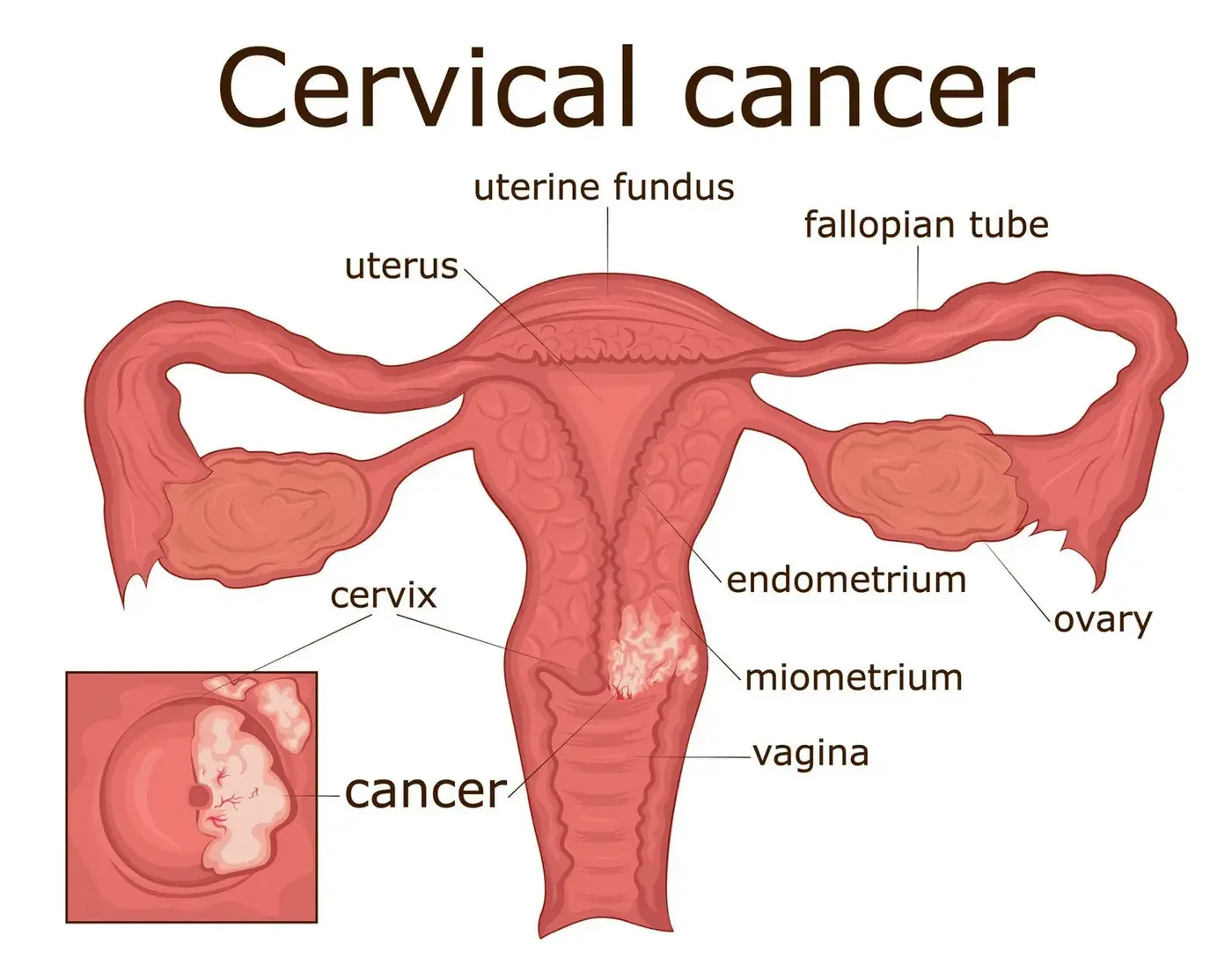
Cervical cancer is a type of cancer that affects the cervix, which is the lower part of the uterus that connects to the vagina. It is a serious disease that affects thousands of women each year, and it is important to be aware of the signs, symptoms, and risk factors associated with cervical cancer.
The most common symptom of cervical cancer is abnormal vaginal bleeding. This can include bleeding between periods, after sexual intercourse, or after menopause. Other symptoms include pelvic pain, pain during intercourse, and a watery or bloody discharge from the vagina.
The main cause of cervical cancer is the human papillomavirus (HPV). HPV is a sexually transmitted infection that can lead to the development of cervical cancer. Other risk factors include smoking, having multiple sexual partners, and having a weakened immune system.
To prevent cervical cancer, it is important to get regular Pap tests. A Pap test is a screening test that can detect abnormal cells on the cervix before they turn into cancer. It is recommended that women between the ages of 21 and 30 get a Pap test every three years, women between the ages of 30-65 should get a Pap test with HPV testing every 5 years.
In addition to getting regular Pap tests, there are other things that women can do to lower their risk of cervical cancer. These include:
Getting the HPV vaccine: This vaccine can protect against the types of HPV that are most likely to cause cervical cancer.
Practicing safe sex: Using condoms and limiting the number of sexual partners can reduce the risk of contracting HPV.
Not smoking: Smoking increases the risk of cervical cancer.
If cervical cancer is caught early, it can often be treated successfully. Treatment options include surgery, radiation therapy, and chemotherapy. It is important to speak with a healthcare provider about the best treatment plan for you.
Cervical cancer is a serious disease that affects thousands of women each year. By being aware of the signs, symptoms, and risk factors associated with cervical cancer, women can take steps to lower their risk and catch the disease early. Remember to get regular Pap tests, practice safe sex, and don't smoke. With early detection and proper treatment, cervical cancer can often be successfully treated.
General information, not medical advice for your situation. If this is an emergency, call 911.