
Pelvic Exam: A Vital Tool for Diagnosing Painful Intercourse
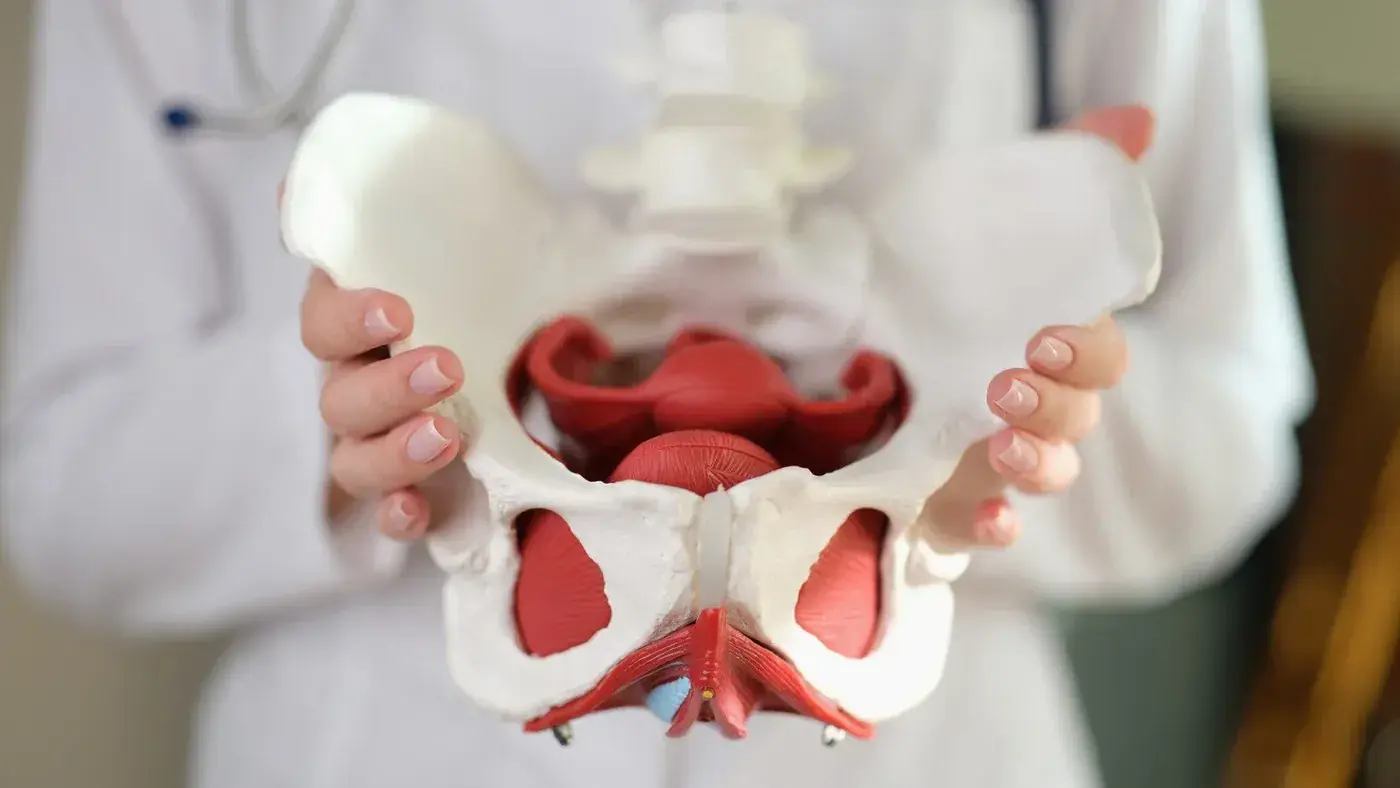
Pelvic Exam: A Vital Tool for Diagnosing Complaints of Dyspareunia
Dyspareunia, commonly known as painful intercourse, is a common issue faced by many women. It can be caused by various underlying physical and psychological factors, and a proper diagnosis is crucial for effective treatment. One of the important diagnostic tools for dyspareunia is a pelvic exam.
A pelvic exam is a physical examination of the female reproductive organs, performed by a healthcare provider. During a pelvic exam, the healthcare provider will examine the external genitalia, vaginal walls, and cervix to check for any abnormalities or signs of infection. The exam may also involve a Pap smear to check for any cervical abnormalities.
One of the key advantages of a pelvic exam is that it can help identify the underlying cause of dyspareunia. For example, if there is a physical abnormality such as endometriosis, fibroids, or pelvic inflammatory disease, a pelvic exam can reveal these conditions and help guide treatment. Additionally, the exam can detect any signs of infection, such as a yeast or bacterial infection, which can also cause dyspareunia.
In some cases, dyspareunia may also be related to psychological factors, such as anxiety, stress, or past trauma. In such cases, a pelvic exam can help rule out any physical causes and direct the healthcare provider to explore psychological causes.
In conclusion, a pelvic exam is a crucial tool for diagnosing complaints of dyspareunia. It can help identify the underlying cause and guide treatment for the condition. Women experiencing dyspareunia should not hesitate to talk to their healthcare provider about having a pelvic exam. With prompt and accurate diagnosis, many women can find relief from the discomfort and pain associated with dyspareunia.
General information, not medical advice for your situation. If this is an emergency, call 911.